





William Anastasi exhaling, then inhaling
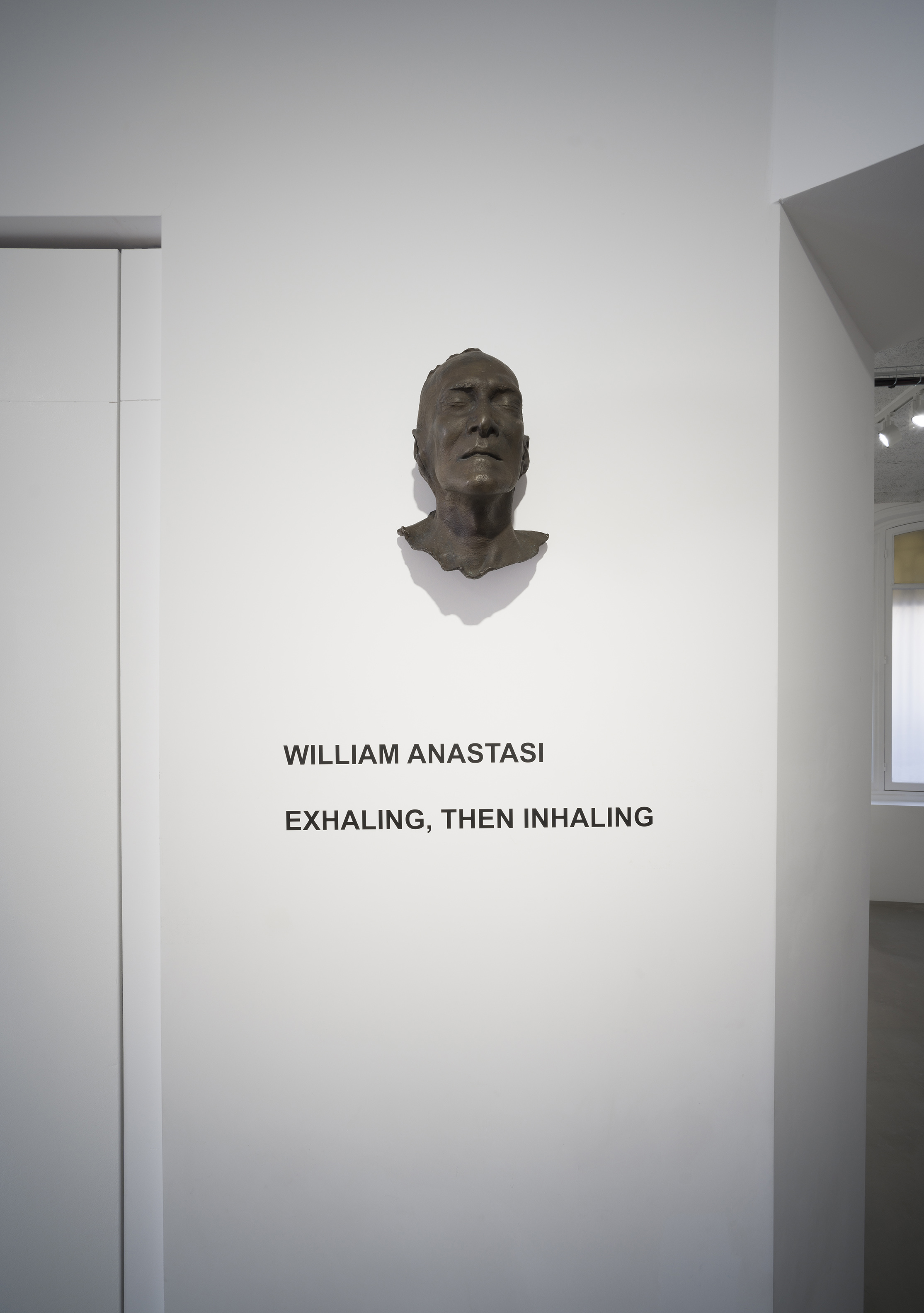
Galerie Jocelyn Wolff is honored to present a memorial exhibition of William Anastasi, one of the founders of Minimal and Conceptual Art in the 1960s. Anastasi died in November 2023 at age of ninety. Introducing the gallery’s fifth solo exhibition is his 2008 bronze life-cast after a 1968 self-portrait where Marina Mahler observed, “One eye looks inward while the other looks outward.” This inward/outward gaze focuses awareness on the ever present and simultaneously backwards towards groundbreaking explorations that claimed the space in which they appeared, not just in a museum, gallery, or collector’s home, but on a billboard, a bus shelter, or simply a page in a book. Celebrating “The Here and the Now,” Anastasi discovered acres of diamonds in our own backyard.
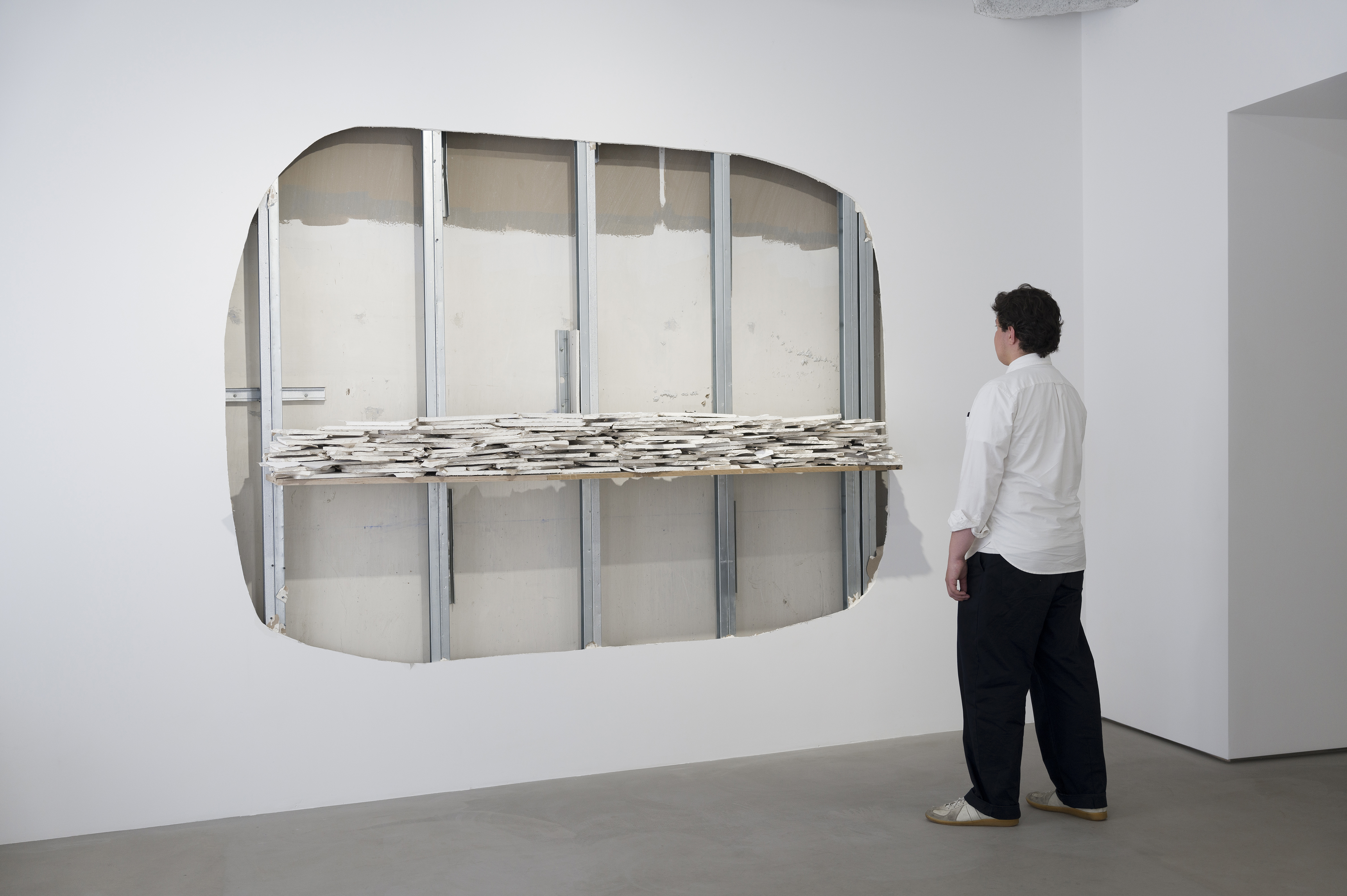
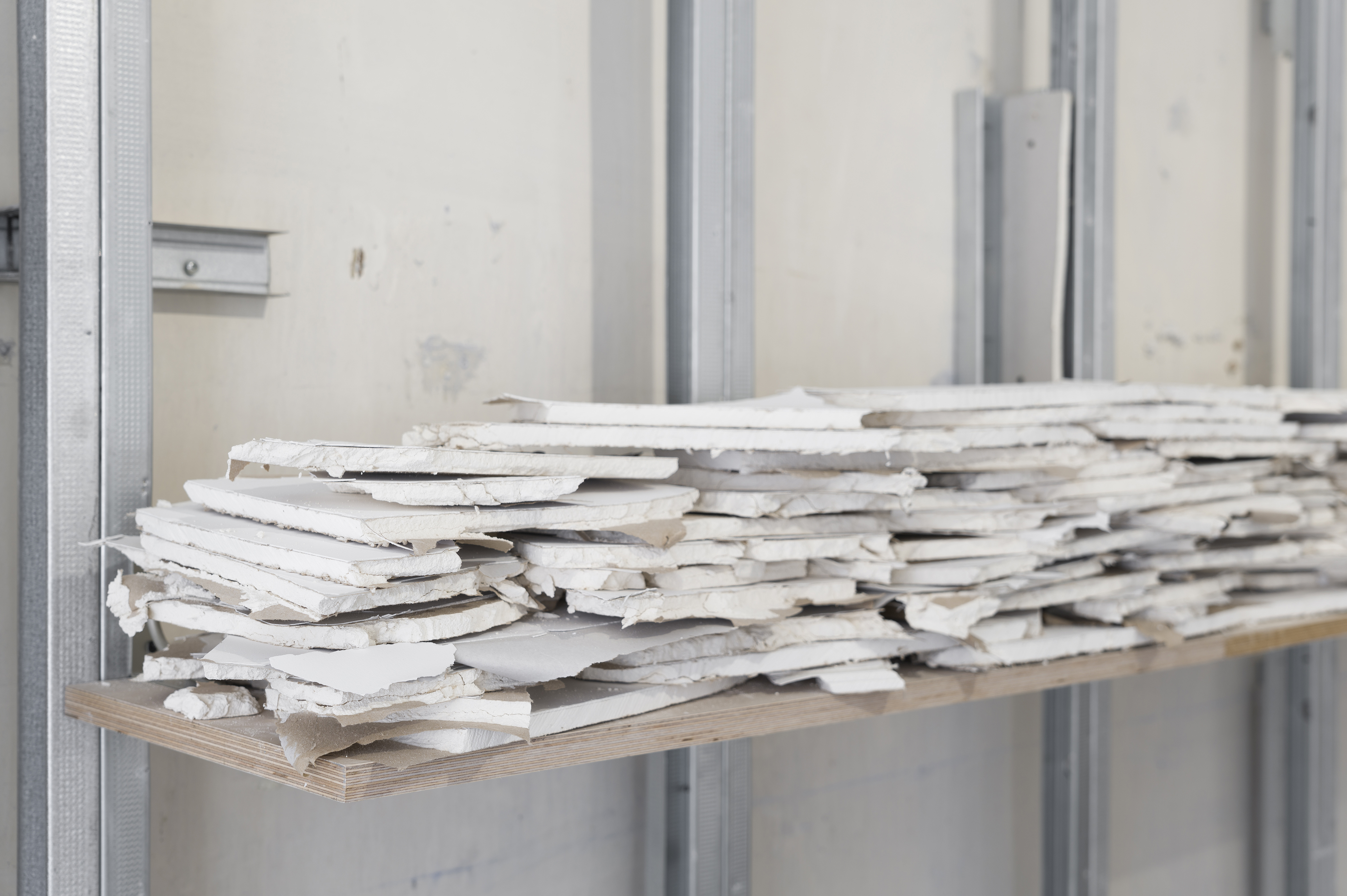
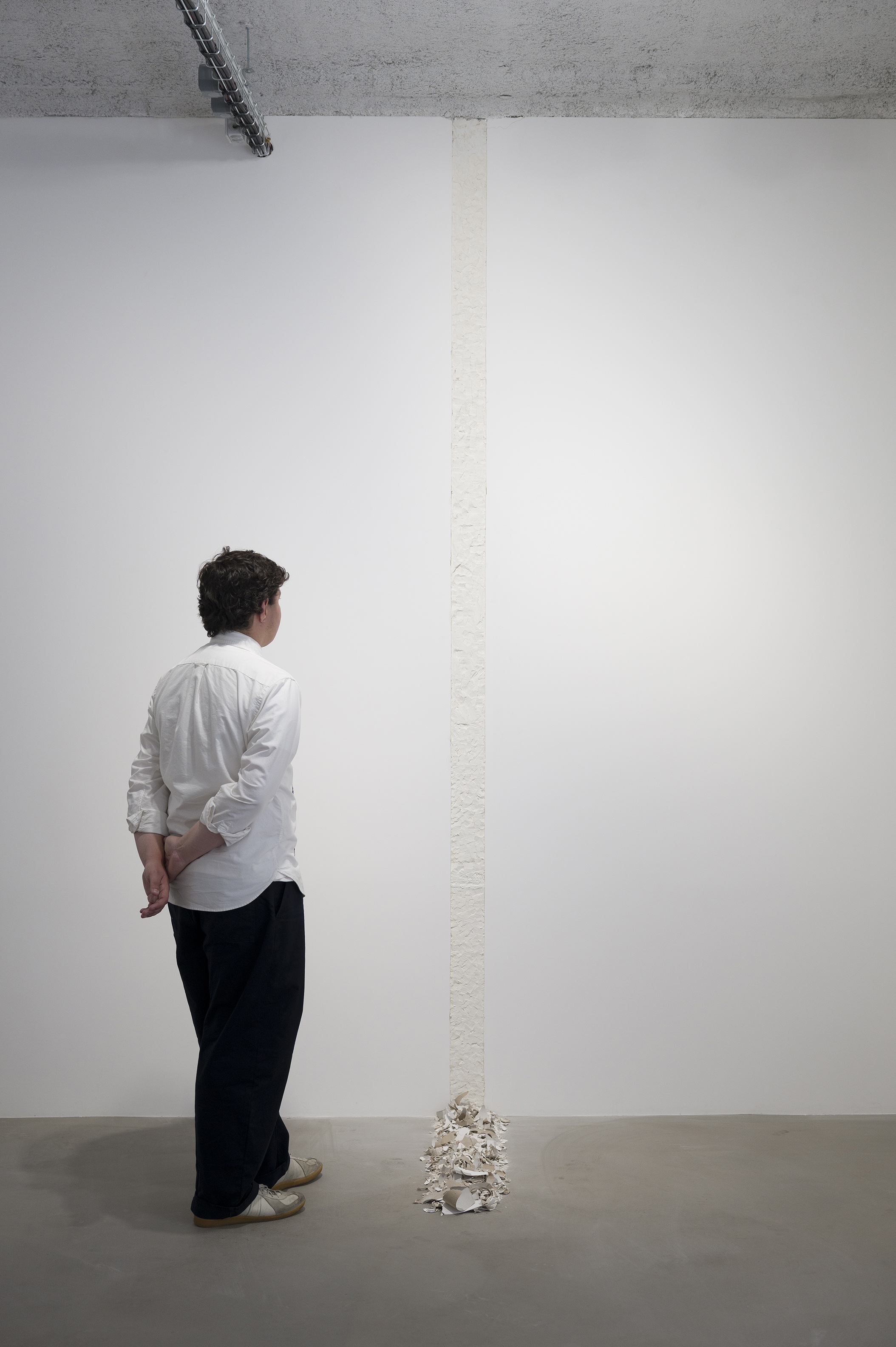
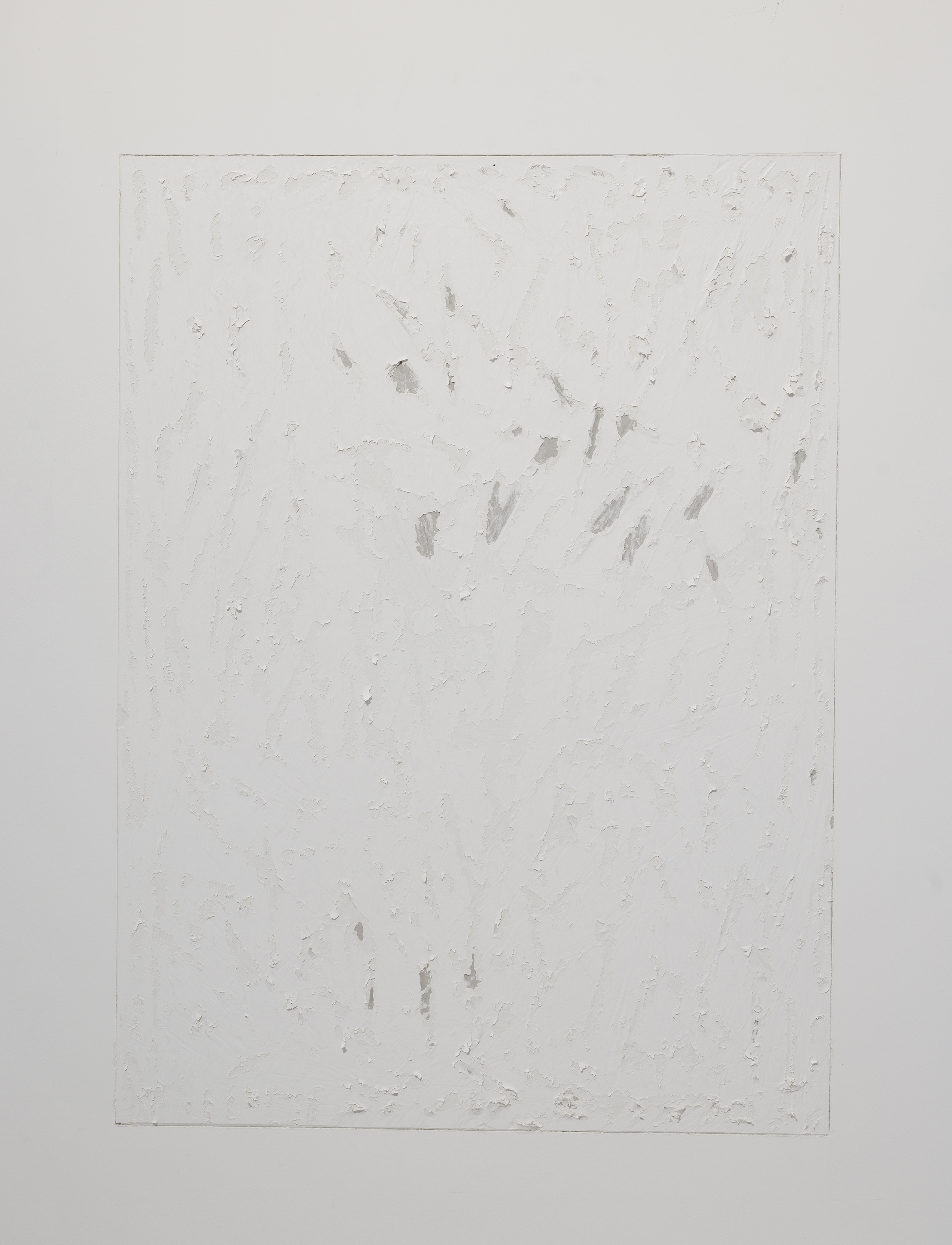
Beginning with the Wall Removals, 1965-1967, Anastasi transformed the wall into sculpture. You’re Through, 1965 consists of a 9’ (22.86 cm) oval cut down to the studs and wood lathe, the debris piled on a shelf spanning the cavity. Originally done in a Madison Avenue advertising agency, this is the first time it has been recreated. The 60s clients seeing something never done before either thought the agency had “lost its mind or had unlimited imagination.” Issue,1966, in which 4.5” of the white-coat of plaster is removed from ceiling to floor, the debris piled perpendicularly at its base, additionally initiated wall to floor engagement. Anastasi’s objet trouvé was the wall itself.
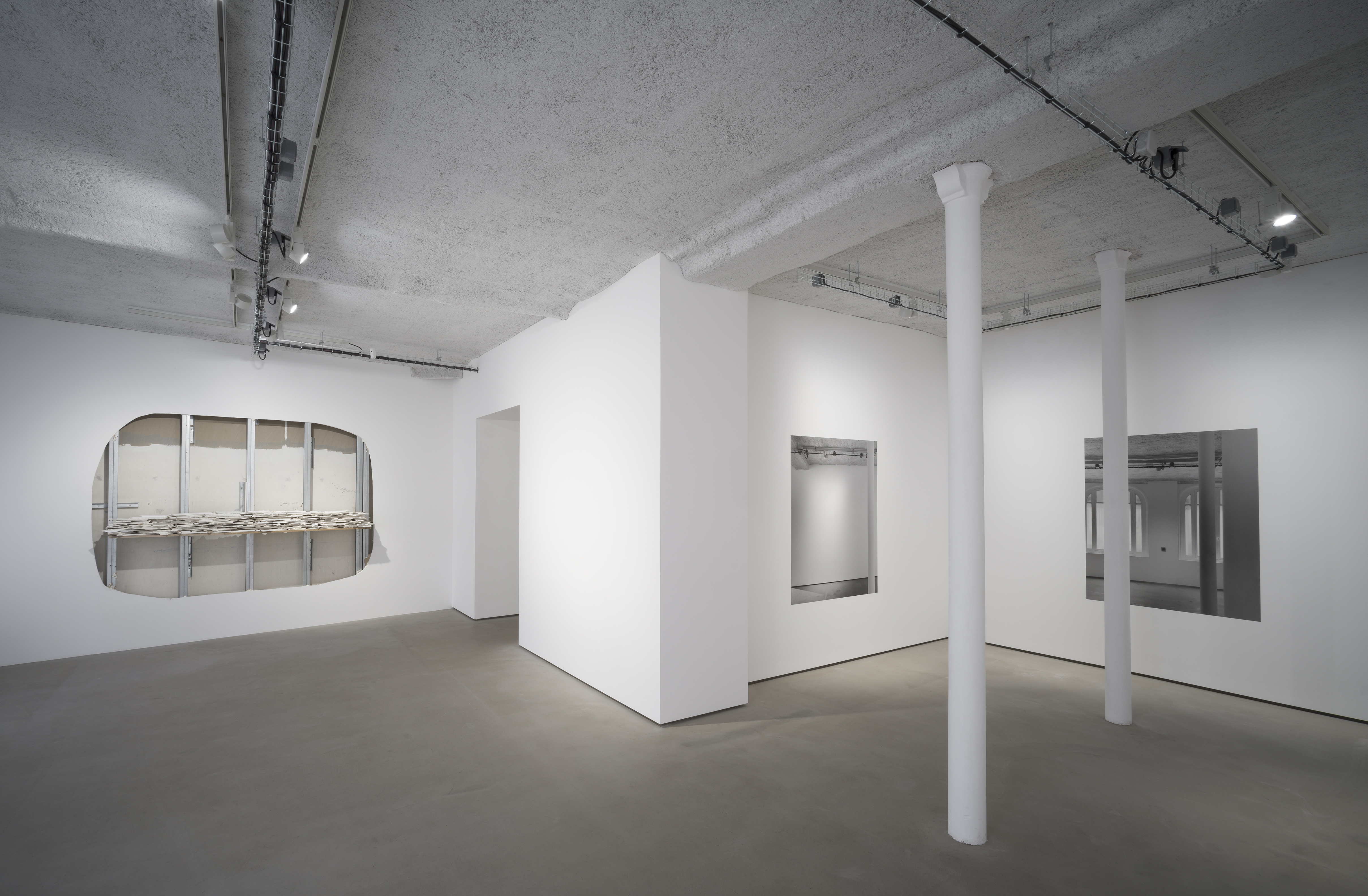
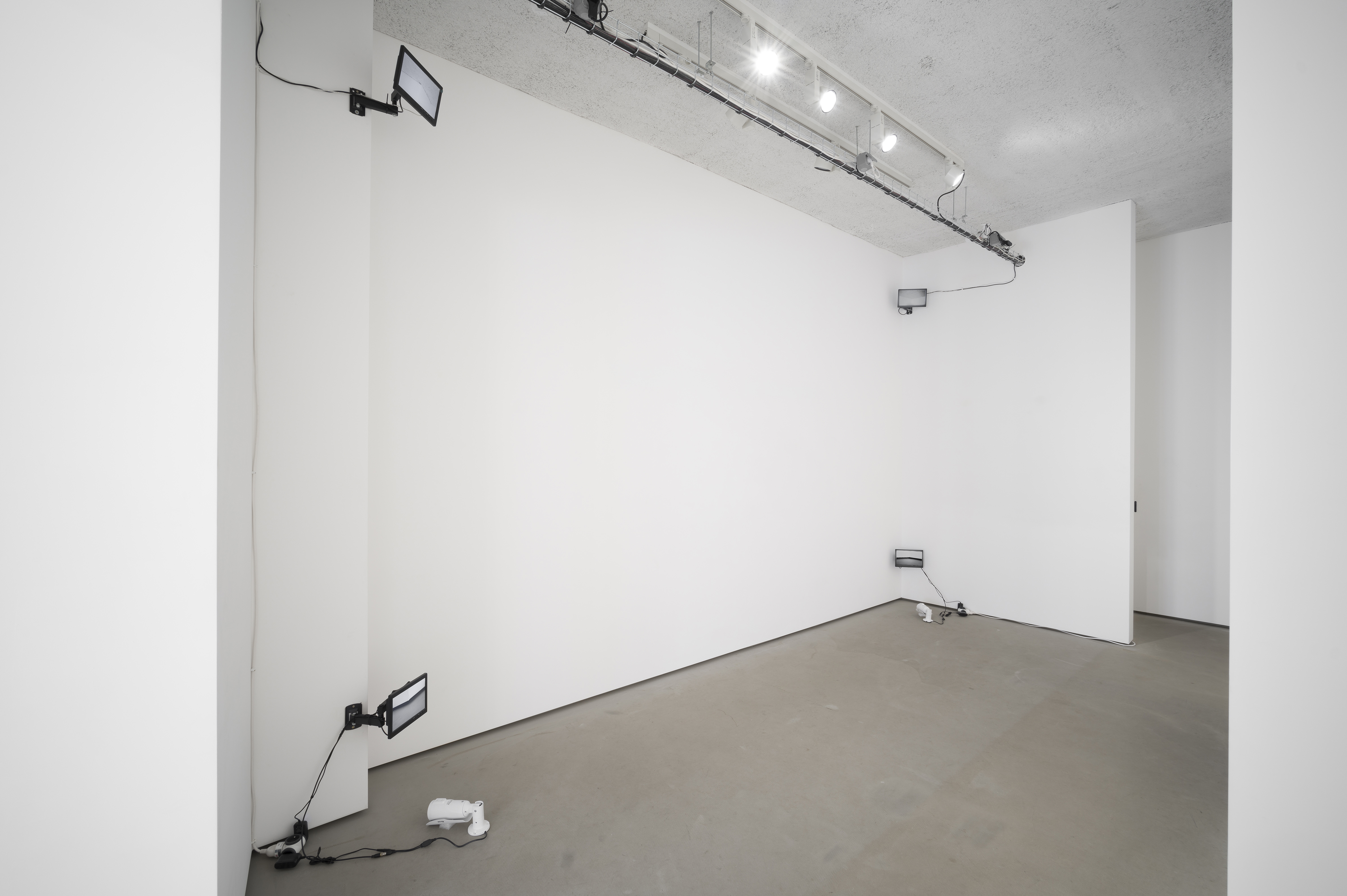
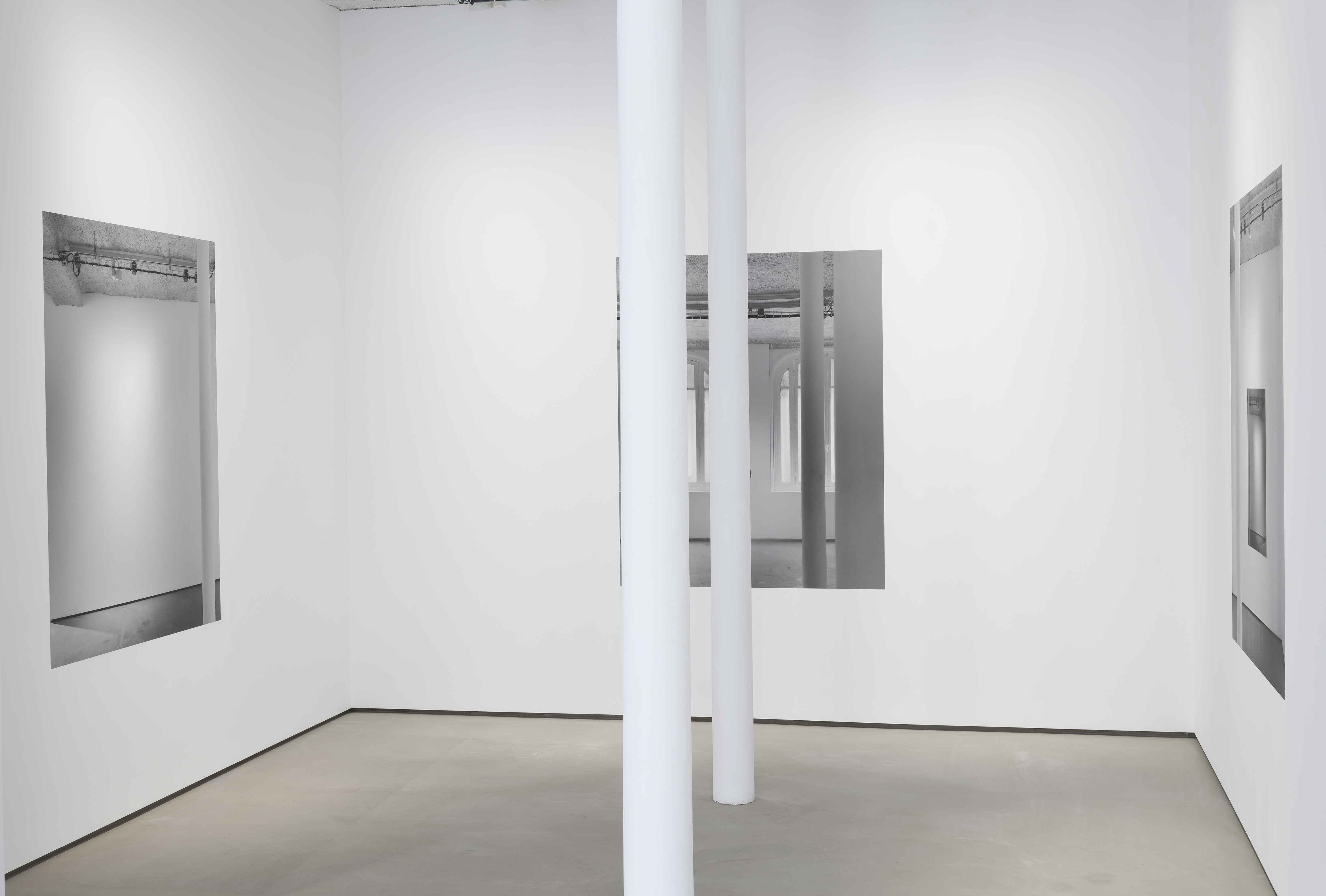
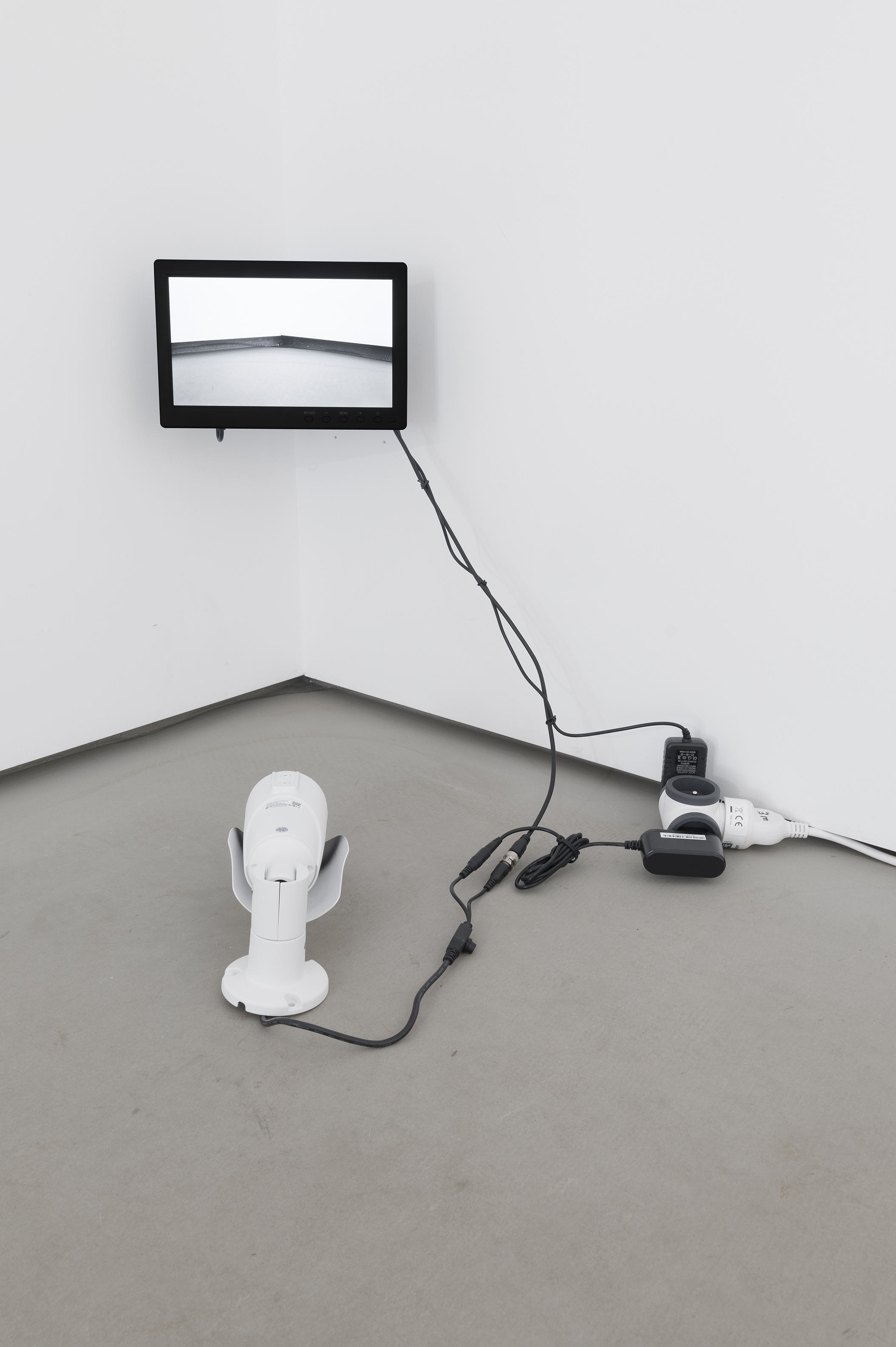
Next, Continuum, 1968 premiered at Dwan Gallery, New York, here occupies a three sided alcove in which photographs including a portion of the ceiling and the floor are taken sequentially of what a mirror would see. Each shot features a central column around which the three images pivot. The first one is blown up to 5’ x 4’ (12.7x10.16cm) and wallpapered onto the opposite wall it had mirrored. The second photograph captures the first appearing in reduced size at a distance and is papered onto its opposite wall. The third photograph includes the view here into the room of the Wall Removals and is papered opposite in the middle of the alcove. In the 60s Anastasi declared “The wall is the sacred burial ground of painting” making it his subject and that it was “Bomb Art” as the fear of nuclear annihilation was front of mind and all we had was the present. In 1968 in yet another medium, 8 live video cameras and 8 monitors trained on the 8 corners in any given room was conceived yet never realized though a single sculpture had been shown at Dwan in 1968. In this installation it will be half-realized in yet another existential focus defining the space.
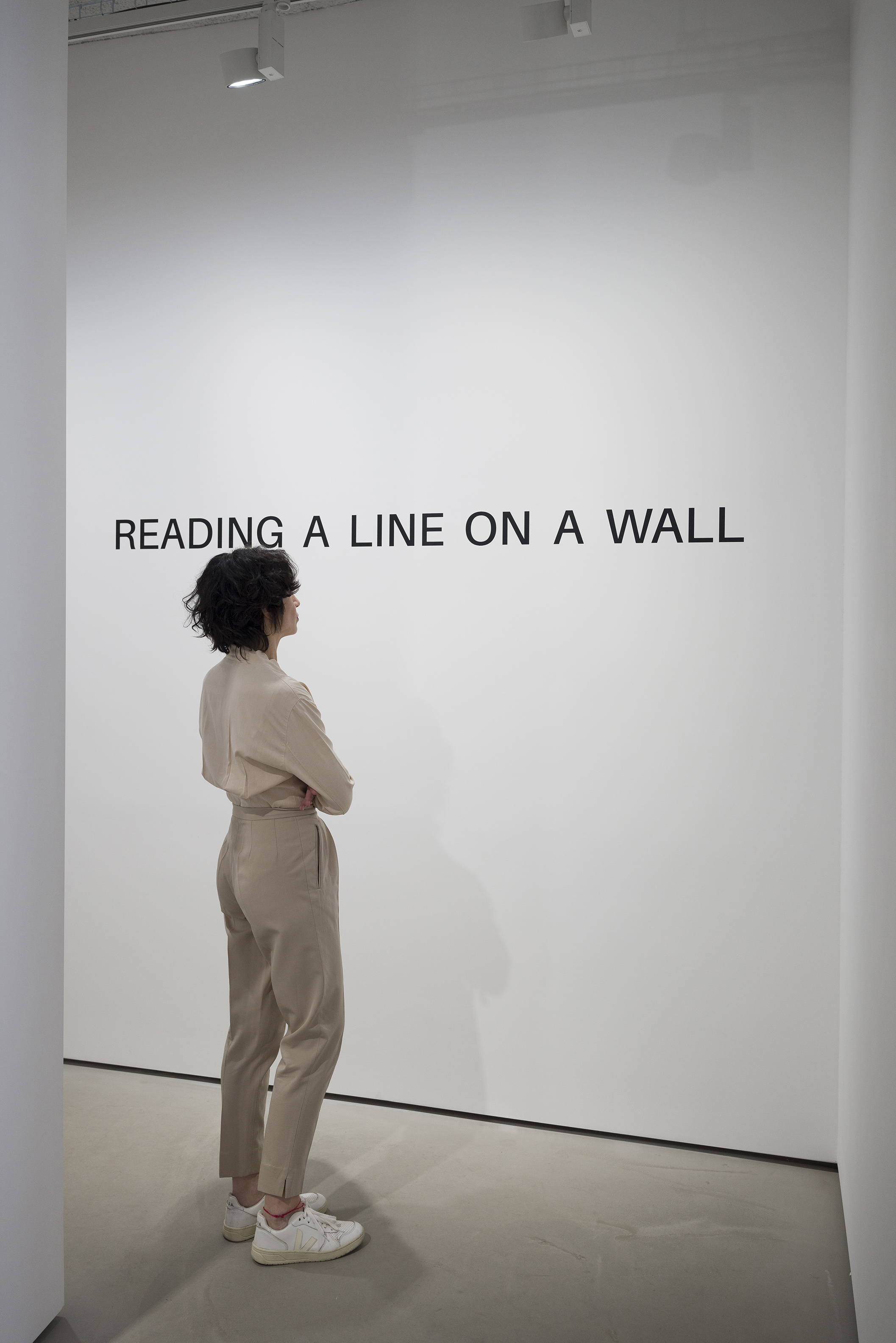
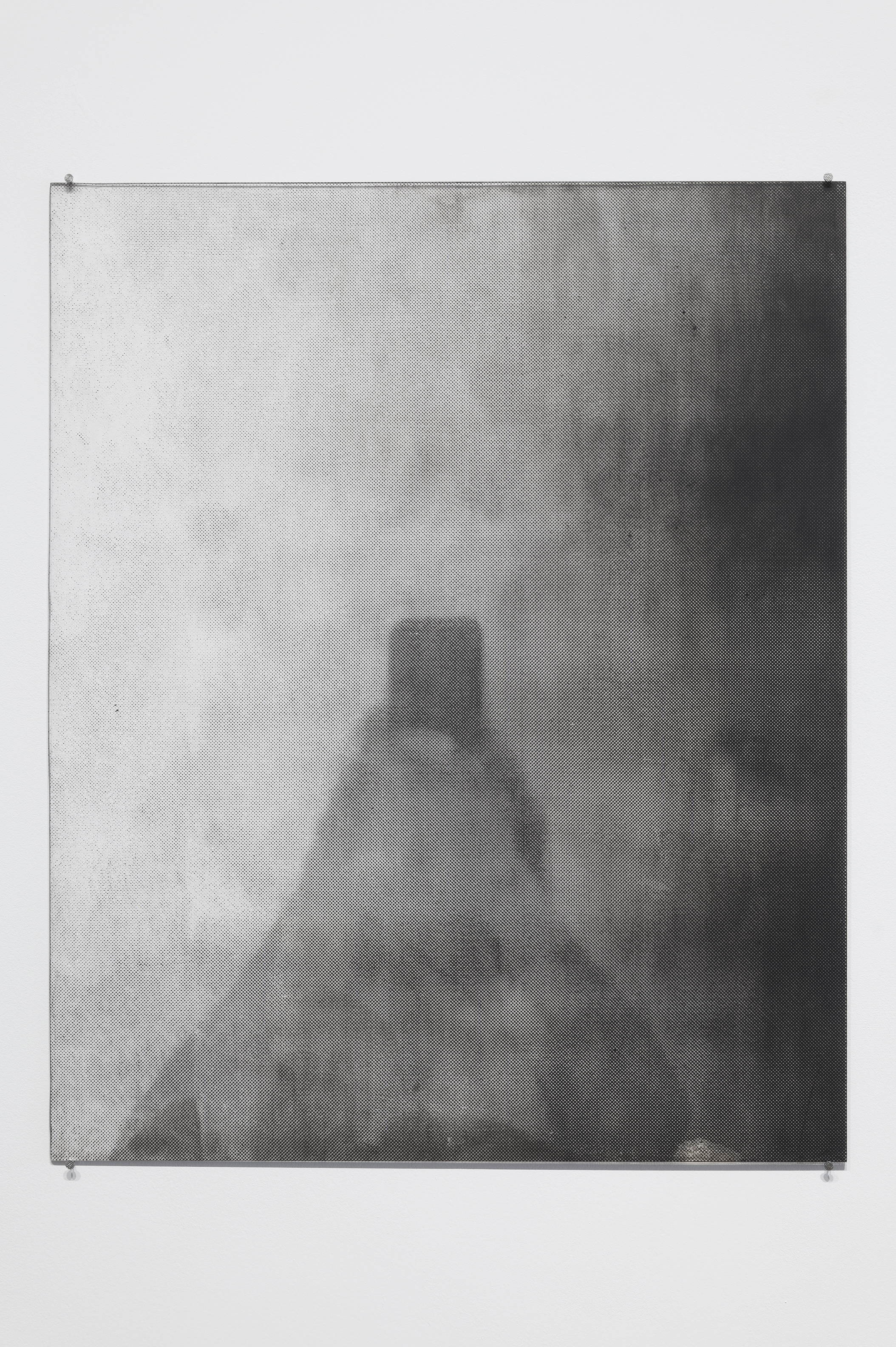
The fourth room concludes the brief survey of this philosopher artist beginning with his 1967 READING A LINE ON A WALL brilliantly activating Duchamp’s remark that the viewer completes the work. Plastic Coincident, 1966, one of his earliest and iconic pieces crystallizes this exhibition where a black and white photograph (using a cellphone instead of the original 4 x 5) is taken of a small sheet of plexiglass. Capturing the reflection of the room including the photographer, the image is silkscreened onto the plexiglas and rehung where it had been taken. A record of what was, becomes what is, when the viewer aligns the real-life reflection with the recorded one as the two-dimensional piece flips into color, and suddenly becomes three dimensional. The normally overlooked reflections become its subject. Throughout the exhibition the viewer is confronted here and there with the possibility of discovering “The Here and the Now.”
The four Earth Artists of Dwan who originated the movement, De Maria, Heizer, Ross and Smithson were driven to the great American West as Anastasi had thoroughly exhausted the gallery space in sculpture, photography, video and language art.
Celebrated art historian Thomas McEvilley in Setting the Record Straight: William Anastasi and the History of Conceptual Art, 2001, assigns William Anastasi a prominent place among the protagonists of Conceptual Art, a deserved position that art history in its selective narrative has long failed to acknowledge. Though in the decades since an ever-growing cognoscente recognizes that his ideas and works in sculpture, painting, photography, video, performance, theater and film not only were prescient but are ever present.
- Dove Bradshaw
Born in New York in 1949, Dove Bradshaw is an American artist and was William Anastasi’s partner then wife for fifty years. Through her testimony, writings, and curatorial work, she has made a significant contribution to the assessment of his oeuvre since 1979, developing exhibitions in museums and galleries across Europe and the United States and, now, through this ninth solo exhibition, further advancing recognition of his essential place in the history of Conceptual Art.