


Mélissa Boucher Morales Looking forward, backward
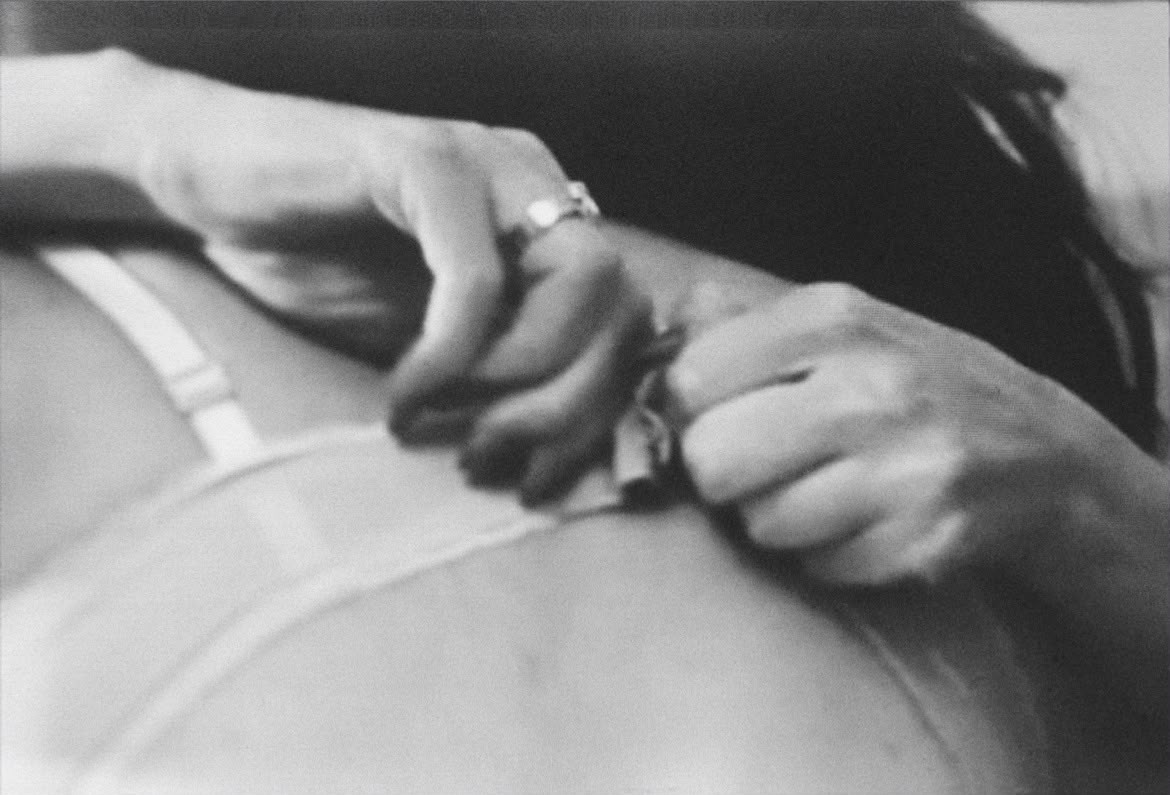
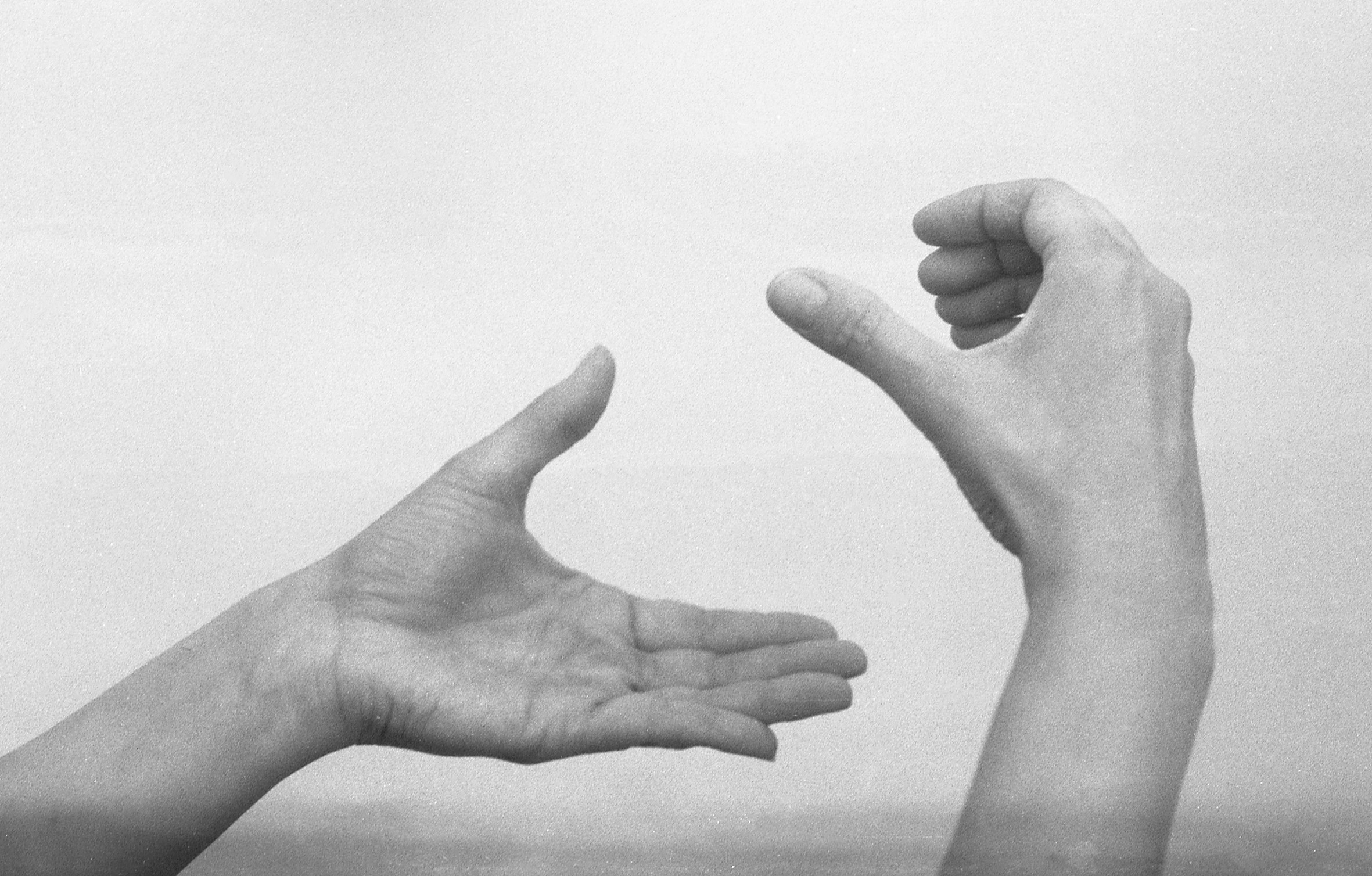
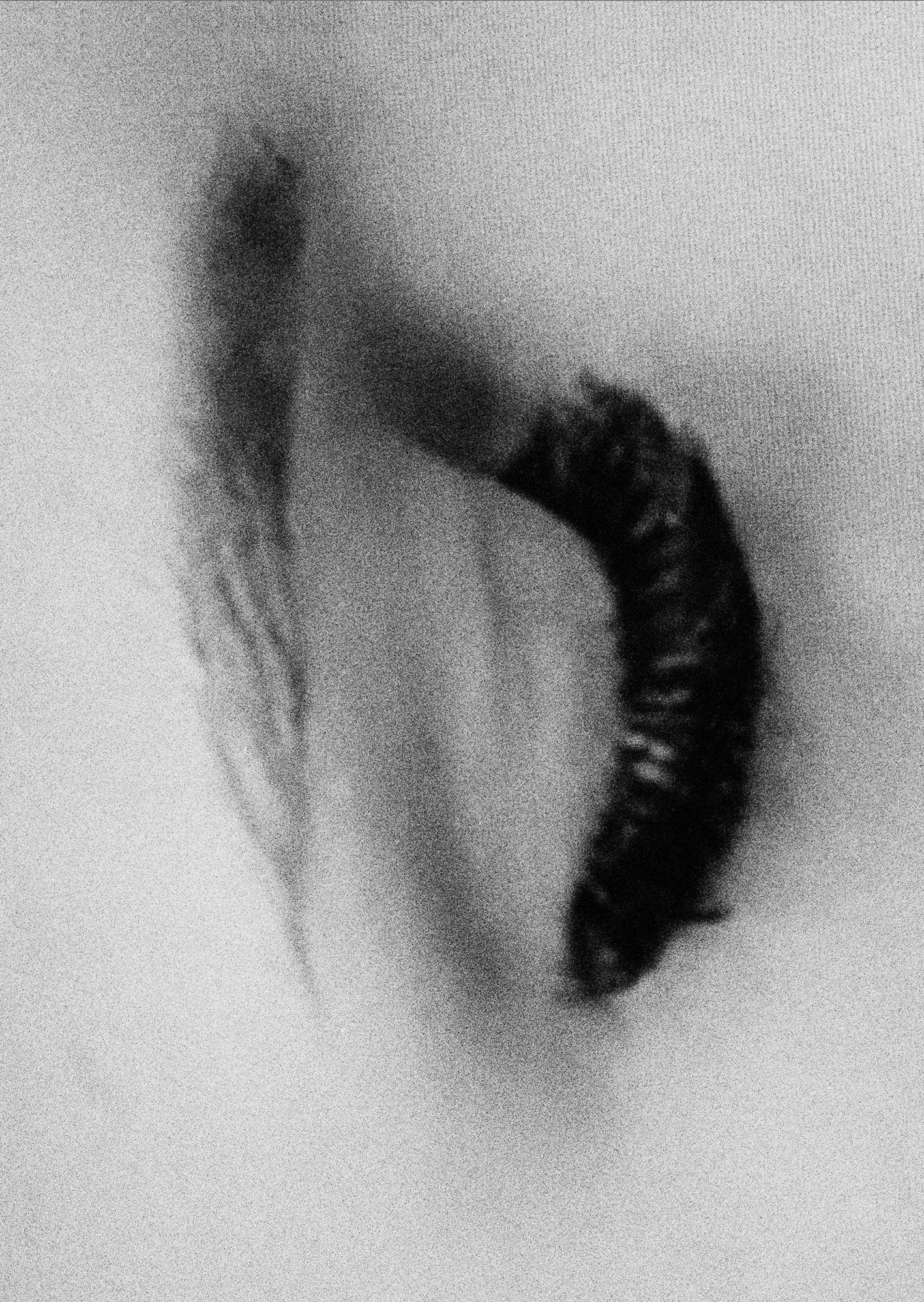
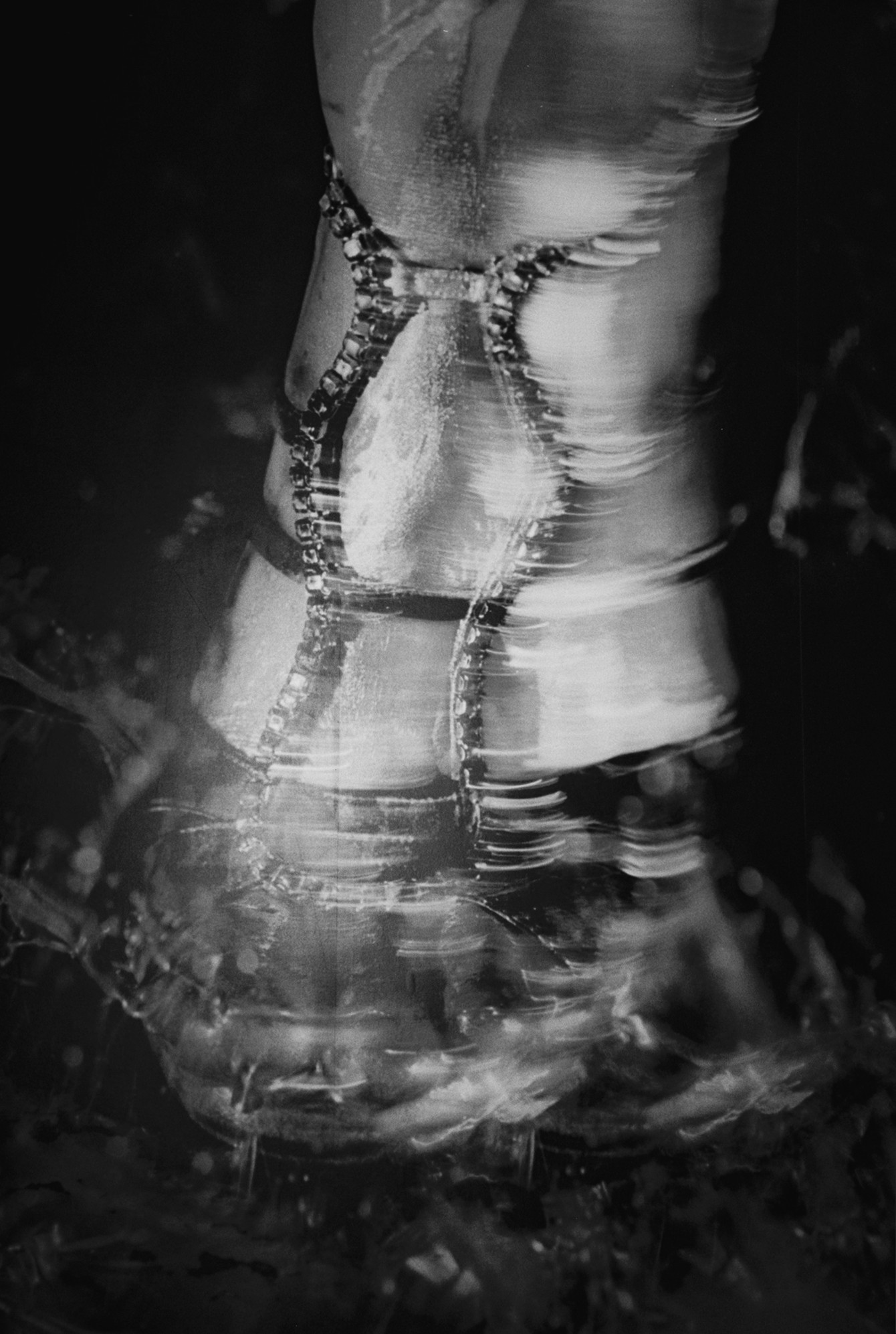
Mélissa Boucher Morales places photography at the heart of her practice, exploring the medium in all its materiality and sensitivity. Through the use of unconventional supports and a variety of formats, she pursues her research into the image, questioning its making and its modes of appearance. She also investigates how desire and intimacy are represented. For her first solo exhibition at the gallery, the artist traces the threads of our recollections and explores the connections between photography and memory.
Looking forward, backward.
In his book Once, Wim Wenders considers the act of photographing as a back-and-forth movement between what is photographed and the person behind the camera. A kind of dance between what we see and the way we look at it. Forwards, backwards.
If we consider the processes of memory formation, this distance, greater or lesser, between lived experience and its recollection may itself be part of this dance. A movement between perception and its mental image, between what remains and what changes. Forwards, backwards.
At the intersection of image-making and the formation of memories, with their alterations, gaps and successive reconstructions, the figure of the seahorse emerges, almost as a hint of fantasy. Nestled deep within the brain, the hippocampus plays an essential role in the consolidation of memories. It is striking that this organic structure takes its name from such a small marine creature. As though our most intimate images depended on this elusive, almost mythological animal, capable both of preserving them and of obscuring our access to them.
But perhaps we must look further back, to what sets this dance in motion. “Sehnsucht” (a profound longing), to borrow Pina Bausch’s words. The desire to hold on to what threatens to disappear, to give form to what eludes us, to follow the processes through which an image emerges, becomes blurred, fades away and reveals itself.
The body of work presented in this exhibition brings together works produced over the past few years, sometimes sporadically, yet all driven by the same desire: to consider images as a malleable material, in order to question how they are made, how they come into being, and the connections that unfold between photography and memory.
This body of work is composed of three parts:
Canthus, the making of images
Ungazed, the illusion of images
Phosphènes, the disquiet of images